|
|
|
| Newsletter | Issue # 05 | September 2026 |
|
|
Latest Insights from CGIAR Policy Innovations Science Program |
Welcome to the September quarter newsletter for the Policy Innovations Science Program. In an increasingly interconnected and complex global landscape, transforming agrifood systems requires bridging cutting-edge evidence with practical on-the-ground implementation. Across global summits, country-level policy support, and capacity-sharing initiatives, our teams continue to shape critical conversations, inform policy decisions, and empower local stakeholders to drive sustainable change.
In this issue, we highlight key takeaways from major global forums where our researchers led high-level dialogues. At Stockholm World Water Week and UNCCD CoP17, our experts championed water-centered approaches to climate resilience, land restoration, and integrated resource governance. Meanwhile, at the Africa Food Systems Forum in Kigali, discussions centered on enhancing national agency, reframing food sovereignty, and streamlining regional trade bottlenecks.
Alongside global engagements, our latest research dives deep into pressing country-level challenges. From analyzing fertilizer subsidy targeting and Kenya’s potato value chains to evaluating chickpea supply drivers in India and trade uncertainty, our findings offer evidence-based pathways for reform. Finally, we explore digital decision-support innovations like the PEPA.AI tool and ongoing capacity-sharing efforts to strengthen CAADP implementation across Africa. We invite you to explore these insights and join us in driving evidence-based policy action.
We invite you to explore the updates, dive into the publication links, and check out the new country pages on our microsite. As always, you can catch the latest updates and join the conversation on LinkedIn and X (formerly Twitter).
If you've received this newsletter from a friend or colleague, be sure to subscribe below to stay on top of all the latest updates from our program! |
|
|
CGIAR Policy Innovations: Impact by the Numbers
|
|
|
Working with over 50 partners, we will support poverty reduction, improve food and water security and create jobs for at least 100 million people across the globe by 2030. |
|
Working with partners, we will inform at least 200 policies in next five years that respond to local, national, regional, and global challenges. |
|
|
Agenda Setting: Shaping Global Conversations |
Africa Food Systems Forum: Charting Africa's Strategic Agency in a Fractured Food System |
|
|
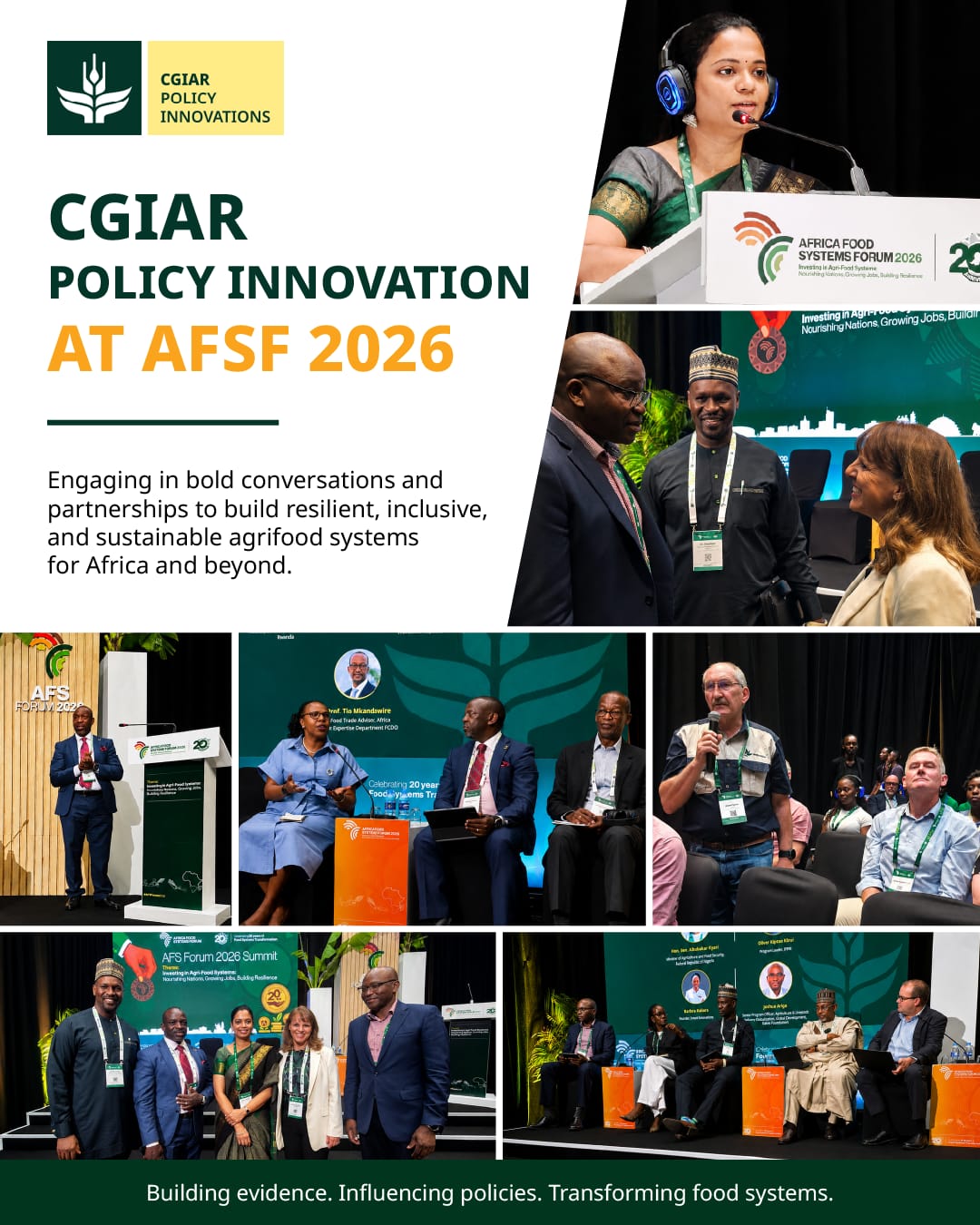
At the Africa Food Systems Forum in Kigali on September 1, the CGIAR Policy Innovations team convened a high-level session on food sovereignty, bringing together policy leaders and experts, including Nigeria's Minister of Agriculture and Food Security, Sen. Abubakar Kyari. Opening the discussion, CGIAR Chief Scientist Dr. Sandra Milack reframed food sovereignty as a nation's strategic capability to balance domestic production with regional trade, rather than pursuing total self-sufficiency. Building on this, IFPRI’s James Thurlow highlighted that Africa’s food security challenges stem primarily from distribution inefficiencies rather than production deficits alone. To address these systemic bottlenecks, panelists examined concrete trade interventions already yielding results on the ground, such as single-window cargo tracking systems that have halved corridor costs and one-stop border posts that streamline cross-border delays. Minister Kyari illustrated national resilience strategies in action, detailing how Nigeria used targeted fertilizer subsidies to stabilize domestic agricultural markets following severe disruptions caused by the 2022 currency redesign. Emphasizing that real impact requires moving beyond published research, Gates Foundation’s Joshua Ariga urged leaders to measure success by practical on-the-ground implementation. Grounded in this focus, CGIAR closed the session by reaffirming its commitment to translating evidence into actionable policy, expanding AI-enabled decision-support tools for government leadership, and investing in sustainable national capacity. Catch the session highlights on LinkedIn.
|
World Water Week: Operationalizing the WEFE Nexus for Climate-Resilient Water Security in Asia |
|
|
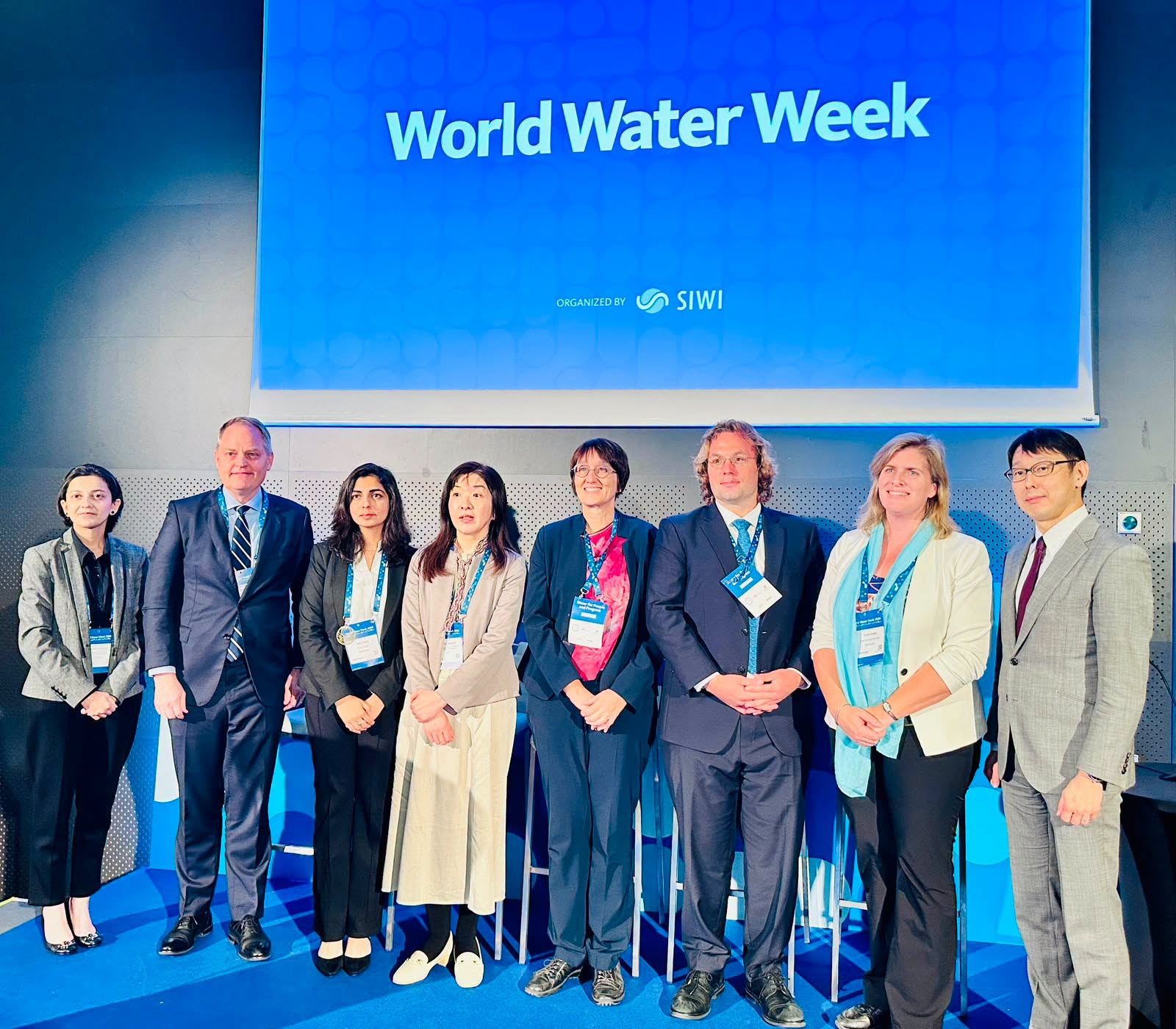
At Stockholm World Water Week on August 24, 2026, we co-convened a high-level session on operationalizing the Water-Energy-Food-Ecosystem (WEFE) Nexus across Asia. With agriculture accounting for nearly 70% of freshwater withdrawals in the region, discussions centered on transforming water management through evidence-driven policies, digital innovation, and integrated basin governance. Panelists, including IFPRI’s Claudia Ringler, highlighted strategies to break sectoral silos, scale climate-smart irrigation, and balance competing demands. The session emphasized moving from commitments to action by deploying nature-based solutions, strengthening regional partnerships, and launching targeted digital tools for equitable, climate-resilient water security. Read the full event report here.
|
UNCCD CoP17: IWMI drives resilience agenda |
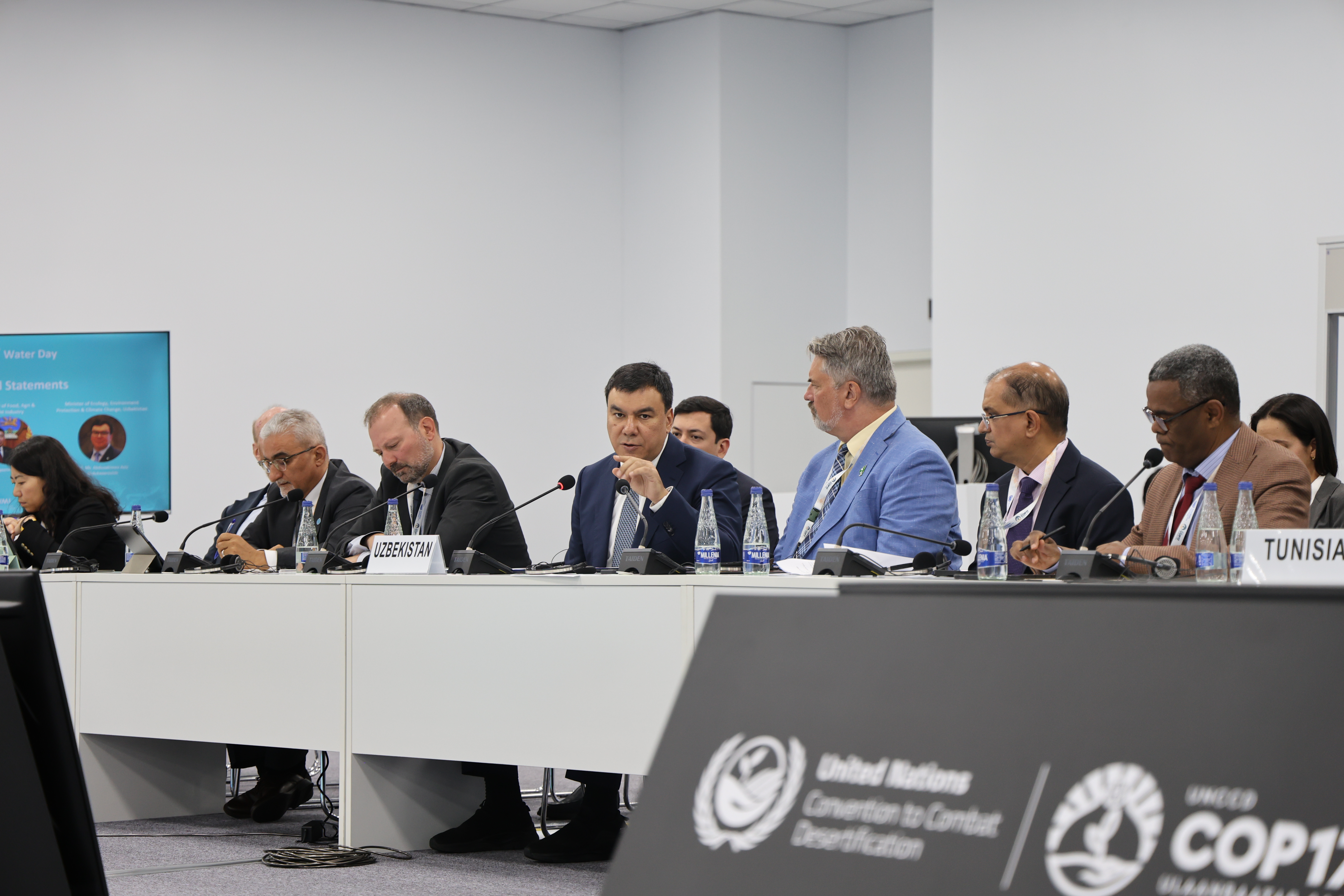
At UNCCD COP17 Water Day in Ulaanbaatar on August 25, we brought together global leaders, scientists, and ministers to position water as the vital link uniting land, climate, biodiversity, and food security. Led by Dr. Mohsin Hafeez from IWMI, four high-level sessions highlighted nature-based solutions, wetlands, integrated landscape restoration, and agricultural water management. Discussions focused on shifting from isolated interventions to hybrid green-grey infrastructure, AI-driven demand forecasting, and integrated basin governance. The consensus emphasized that restoring degraded land requires restoring the entire water cycle, laying a concrete roadmap toward the 2026 UN Water Conference.
|
|
|
Youth Innovation Challenge: Funding Africa's Next Generation of Agripreneurs |
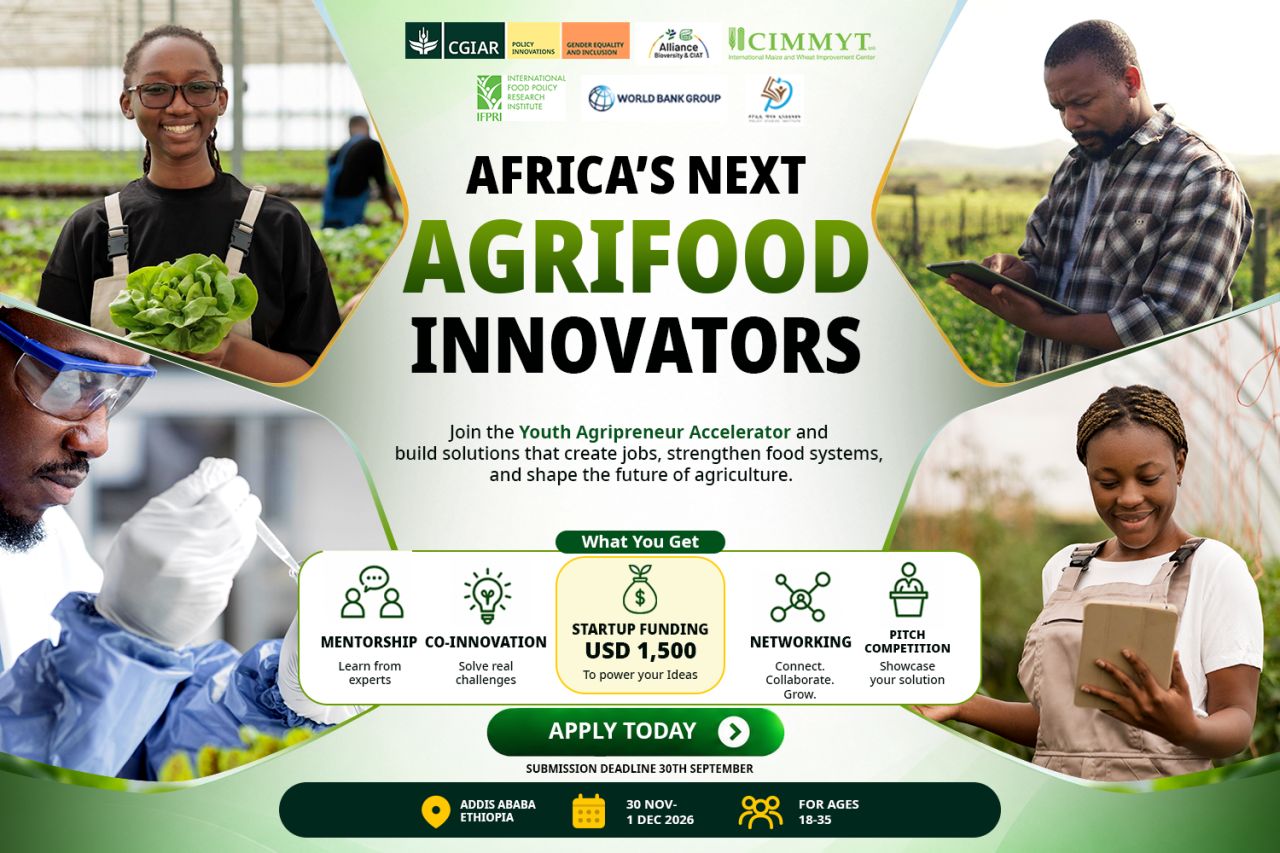
To turn Africa's youth population boom into an engine of decent jobs, the Youth Agripreneur Accelerator (YAA) from CGIAR Policy Innovations invites young entrepreneurs to submit bold agrifood startup ideas across four tracks: sustainable agriculture jobs, smarter value chains, inclusive opportunities for women and underserved youth, and skills-to-jobs bridges. Applicants aged 18–35 with an Ethiopia-focused idea can apply individually or in teams of up to three; pre-selected teams will receive mentoring and compete in a live Shark Tank-style pitch day in Addis Ababa, with top ideas winning $1,500 in seed funding to pilot their concepts. Applications close on September 30, 2026, with Pitch Day set for December 1, 2026, during the Youth, Jobs, and Voice in Africa's Agrifood System conference. Submit your idea here.
|
|
|
Rethinking Agricultural Support: Key Takeaways for Fertilizer Subsidy Reform |
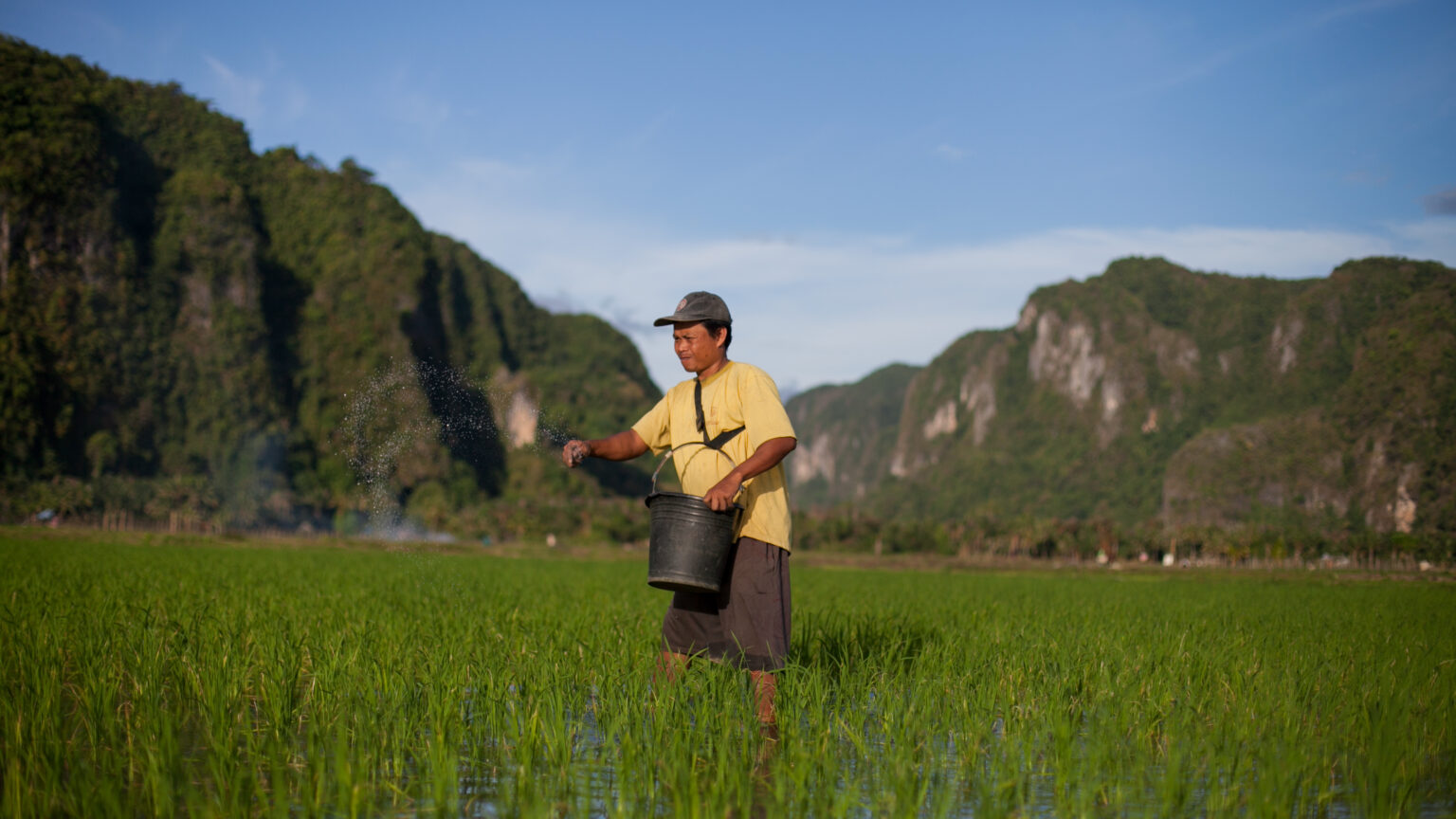
A new analysis by Carly Trachtman and Ruth Hill from IFPRI examines 39 national fertilizer subsidy programs in low- and middle-income countries, identifying key lessons for sustainable policy reform. While many programs are designed as universal, administrative hurdles and supply shortages make true universality rare, resulting in practical targeting. Although subsidies remain generally progressive by reaching poorer, farm-dependent households, formal targeting regimes alone do not guarantee equitable outcomes. The authors stress that severe data gaps regarding beneficiaries hinder evidence-based reform, highlighting the need for governments to invest in stronger data systems and administrative capacity for data-driven agricultural support. Read more.
|
|
|
Potato Power: Transforming Kenya’s Value Chains for Employment and Growth |
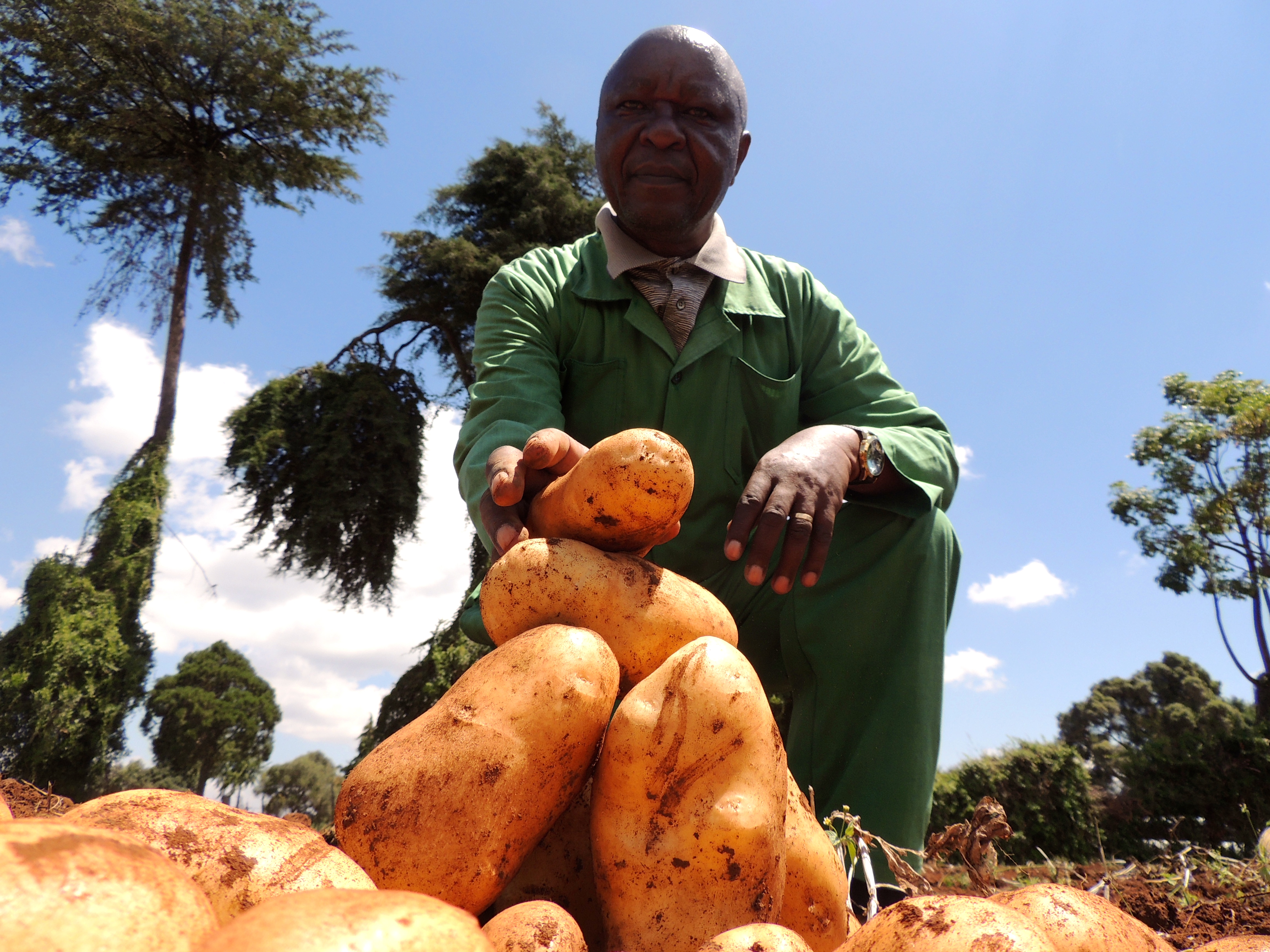
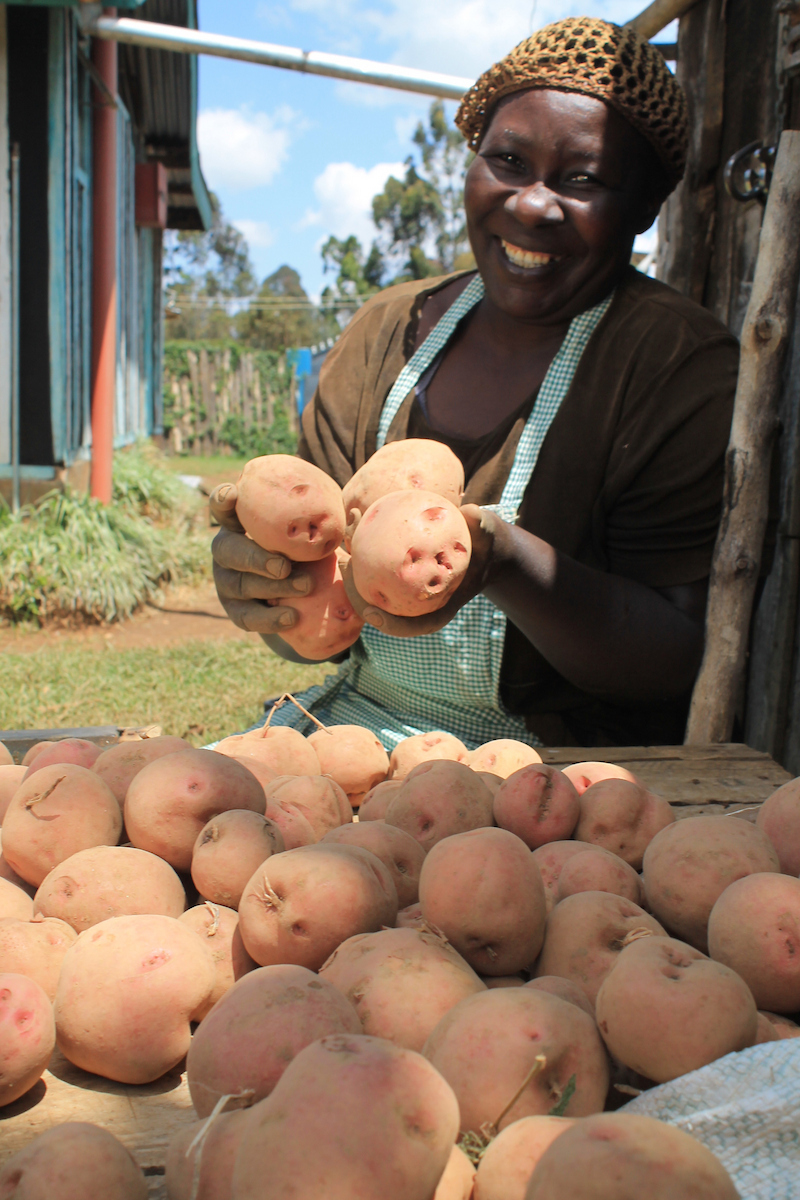
In a new report, Thomas Reardon et al. explore how Kenya’s rapidly expanding potato value chain is driving rural and urban employment. Driven by urbanization and shrinking farm sizes, potato production nearly doubled over two decades. While commercial smallholders dominate farming, off-farm activities generate significant employment, with disintermediated wholesale channels alone creating roughly 10,000 full-time jobs annually in harvesting and transport. The authors highlight that while mobile payments are widely adopted, broader digital agricultural services remain limited, underscoring the need to expand certified seed systems and last-mile digital tools to unlock further growth. Read the full report.
|
|
|
The Policy Guidance Playbook |
Navigating Uncertainty: Scenarios for Agricultural Trade in a Changing World |
|
|
In a study by Valeria Piñeiro et al., the authors examine how rising geopolitical tensions, climate pressures, and trade disruptions are fundamentally reshaping global agrifood systems. Moving beyond traditional tariff disputes, current dynamics reflect a structural shift toward a fragmented, strategically driven trade environment. Utilizing computable general equilibrium modeling, the analysis explores potential trade war scenarios, widespread tariff escalations, and retaliatory measures, demonstrating how shifting policy regimes can drastically contract exports, trigger market realignments, and alter global supply chains. The authors emphasize that navigating this uncertainty requires strengthening domestic resilience, diversifying trade partnerships, and reinforcing evidence-based policy frameworks. Read full paper: Scenarios for agricultural trade in a changing world
|
|
|
Unlocking India's Chickpea Potential: Drivers of Supply Response Beyond MSP |
In a new policy brief, Ramasamy Paramasivam et al. analyze the drivers of chickpea supply response across India's primary producing states. As India's dominant pulse, chickpea is central to national protein security and closing the gap on pulse imports. However, the authors find that relying solely on Minimum Support Price announcements is insufficient to sustain growth. Achieving self-sufficiency requires evidence-based policy reforms beyond price guarantees, including targeted investments in heat-tolerant crop varieties, improved market infrastructure, climate-resilient production practices, and efficient input delivery. Read more.
|
| Nutritional Pathways: Strategic Feed Transformation for Livestock in LMICs |
In a new study, Elisabetta Gotor et al. highlight the critical role of feed system transformation in advancing sustainable livestock production across low- and middle-income countries. As the global demand for animal-source foods grows, the authors argue that improving livestock productivity and reducing environmental impacts require a "feed first" strategy. Addressing feed shortages, low nutritional quality, and resource competition is essential for sustainable intensification. The study emphasizes that strategic investments in high-quality forage varieties, climate-smart feed practices, and efficient supply chains are key to strengthening food security, rural livelihoods, and environmental resilience. Read more.
|
|
|
CGIAR Policy Innovations Science Program |
We provide evidence-based recommendations, co-creating solutions with Global South partners to strengthen policies and institutions, thereby improving millions of lives. |
| |
|
Capacity & Tools: In the Workshop |
Strengthening Policy Analysis: The PEPA.AI User Manual |
A new user guide introduces PEPA.AI, an AI-powered simulation platform developed by the Alliance of Bioversity International, CIAT, and IFPRI under the CGIAR Policy Innovations Science Program. Designed for policymakers, researchers, donors, and field technicians, the tool simplifies complex political economy and policy analyses across food systems, climate, and resource domains. The manual provides step-by-step guidance on navigating PEPA.AI’s nine structured modules—from problem identification to evidence synthesis and interactive AI consultations—empowering stakeholders to map political landscapes, select analytical frameworks, and translate evidence into actionable policy reforms. Read more.
|
CAADP Implementation: Validation Workshop on Diagnostics and Analysis |
The CGIAR Policy Innovations team, in collaboration with regional partners, convened a validation workshop on the domestication and implementation of the Comprehensive Africa Agriculture Development Program (CAADP) Strategy and Action Plan (2026–2035). Focusing on Core Element 2 (Diagnostics and Analysis), the session brought together country teams, policy analysts, and technical experts to refine diagnostic tools, analytical frameworks, and data integration approaches. By strengthening national capacities to conduct rigorous policy diagnostics, the workshop prepares country stakeholders to translate the post-Malabo CAADP commitments into evidence-based national agriculture investment plans and measurable policy reforms across Africa. Read more.
|
|
|
CGIAR – The largest global agricultural innovation network. |
|
|
CGIAR @ 2025. All rights reserved. | |
|
|